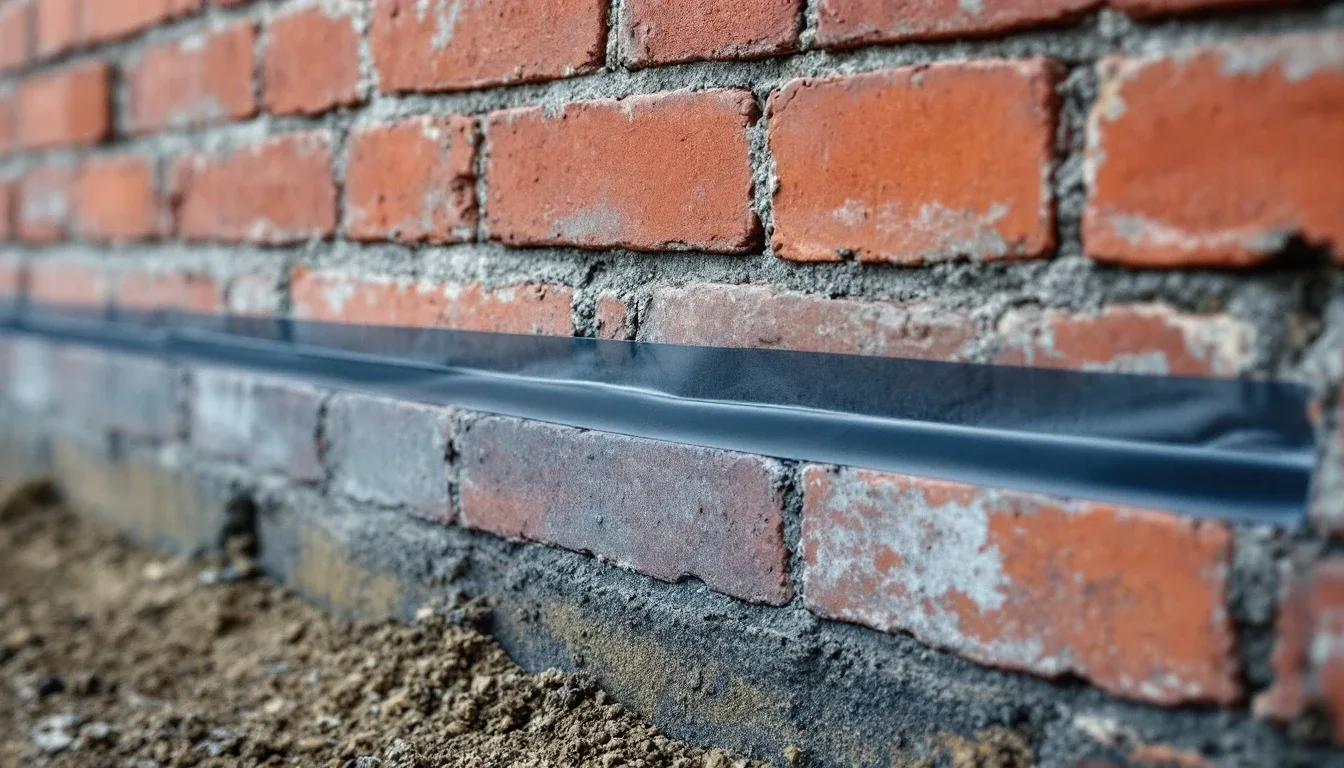
Rising Damp Guides
Rising damp is groundwater moving up through porous masonry by capillary action. It typically reaches 1-1.5 metres above ground level and is most common in pre-1875 buildings without a damp proof course. These guides explain how rising damp works, how to identify it, and how to treat it permanently.
What is Rising Damp?
Complete guide to rising damp: how capillary action moves groundwater up through walls, why pre-1875 properties are vulnerable, and how damp proof courses prevent it. Evidence from BRE, Building Regulations Part C, and 30 years of field studies.
All Rising Damp Guides
Rising Damp Signs
How to identify rising damp in your home: tide marks, salt deposits, and moisture meter readings.
What Causes Rising Damp?
Understanding the root issues: missing DPC, damaged barriers, bridging, and ground moisture levels.
Rising Damp Treatment
Methods, costs and effectiveness: chemical injection, physical DPC retrofit, and replastering.